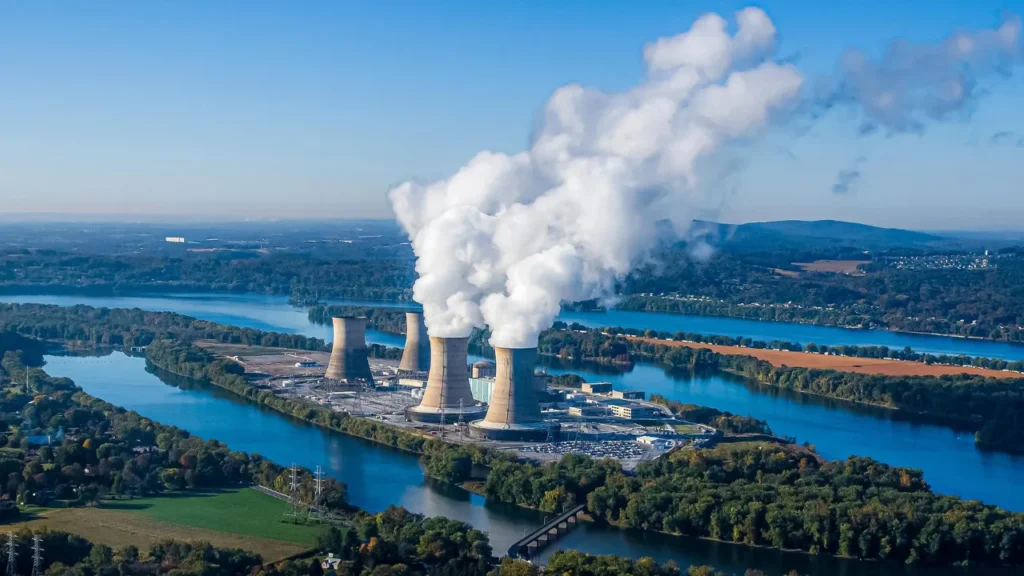
The Three Mile Island Incident: A Turning Point in Nuclear Energy
Introduction The Three Mile Island accident, which occurred on March 28, 1979, near Harrisburg, Pennsylvania, stands as a watershed moment in the history of nuclear energy in the United States. This partial meltdown at the Three Mile Island Nuclear Generating Station not only brought to light the potential risks associated with nuclear power but also catalyzed significant changes in regulations, industry practices, and public perception. This article delves into the background of the incident, the events of that fateful day, the immediate and long-term consequences, and the lasting impact on the nuclear energy landscape. Background: The Rise of Nuclear Power The post-World War II era saw a surge in interest in nuclear power as a source of energy. In the United States, the Atomic Energy Commission (AEC) promoted nuclear energy as a safe, reliable, and virtually limitless source of power. By the 1970s, a number of reactors were operational, with the Three Mile Island plant, which began operations in 1974, touted as a state-of-the-art facility. Three Mile Island was equipped with a pressurized water reactor (PWR), a design commonly used in the United States. It was believed to be safe due to its multiple safety systems. However, the growing demand for energy, coupled with concerns about air pollution from fossil fuels, intensified the push for nuclear power, often overshadowing safety considerations. The Incident: A Series of Unfortunate Events On March 28, 1979, TMI-2 was operating at about 97% power when the incident began. The day started as usual until a series of mechanical failures and human errors unfolded, setting off a chain reaction that would culminate in a partial meltdown. 1. Initial Problems: Around 4:00 AM, the plant experienced a malfunction in the primary coolant system due to a failure in a feedwater pump. This failure caused a drop in coolant water levels, which were crucial for maintaining safe reactor temperatures. 2. Human Error and Miscommunication: As operators struggled to diagnose the situation, confusion ensued. Faulty instrumentation and unclear readings led the operators to misinterpret the true state of the reactor. Instead of recognizing the loss of coolant, they mistakenly believed that a pressure relief valve was closed when it was actually open, allowing coolant to escape. 3. Rising Temperatures: By 7:00 AM, the reactor core had begun to overheat. Operators eventually received confirmation that a partial meltdown was occurring, but the realization came too late to prevent significant fuel damage. A key factor was the limited training operators had received in managing such emergencies. 4. Public Response: As the situation unfolded, plant officials began notifying local authorities and the media. By late morning, fears of a catastrophic release of radiation prompted officials to order a partial evacuation of the surrounding area, leading to widespread panic. Residents within a five-mile radius were encouraged to leave their homes, with many fleeing in fear of the unknown. Immediate Impact: A Crisis Averted While the meltdown was significant, the containment systems at Three Mile Island functioned effectively. The reactor’s containment structure prevented most of the radioactive materials from escaping into the environment. By the end of the incident, approximately 50% of the reactor’s core had been damaged, but no immediate health impacts were reported in the surrounding community. 1. Radioactive Releases: The total amount of radioactive gases released was estimated to be around 17,000 curies, significantly less than initially feared. The majority of this release occurred during the early hours of the incident when operators were attempting to manage the reactor’s cooling systems. 2. Emergency Response: Emergency response teams were activated, and monitoring stations around the plant began measuring radiation levels. Public health officials worked diligently to ensure the safety of the population, leading to the establishment of a comprehensive monitoring system in the following weeks. Regulatory Changes: A New Era of Oversight In the aftermath of the Three Mile Island incident, the U.S. nuclear industry faced intense scrutiny. The Nuclear Regulatory Commission (NRC) was tasked with investigating the causes of the accident and implementing necessary changes. Key outcomes included: 1. Enhanced Safety Protocols: The NRC initiated a thorough review of safety protocols across all U.S. nuclear plants. Recommendations were made for improved design standards, better training for operators, and the implementation of more rigorous safety measures. 2. Operator Training Revisions: One of the primary lessons learned from TMI-2 was the need for enhanced operator training. The NRC mandated that nuclear plant operators undergo extensive training in emergency response, simulation exercises, and the use of advanced technology to improve their situational awareness during crises. 3. Regulatory Reforms: The NRC expanded its oversight role, establishing stricter guidelines for reactor design, operation, and emergency preparedness. Regular safety drills became mandatory, ensuring that staff were well-prepared to handle potential incidents. 4. Public Communication: In response to public fears and misinformation, the nuclear industry adopted a more proactive approach to communication. Utilities were required to provide accurate, timely information to the public during emergencies, fostering transparency and trust. Long-Term Effects: The Nuclear Energy Landscape The Three Mile Island incident had profound and lasting effects on public perception of nuclear energy. While the incident did not lead to a significant increase in cancer rates or health problems, it intensified fears about the safety of nuclear power. 1. Public Opposition: The incident galvanized anti-nuclear sentiments, leading to increased activism and opposition to nuclear energy projects. Public confidence in the safety of nuclear power was shaken, resulting in heightened scrutiny of existing and proposed plants. 2. Slowdown of Nuclear Construction: In the years following TMI, the number of new reactor constructions in the U.S. drastically declined. The nuclear industry had been expecting a boom in new projects, but the accident shifted the landscape. By the early 1990s, many planned projects were either canceled or indefinitely postponed. 3. Increased Regulations: The NRC became more vigilant in its regulatory practices, which slowed down the licensing process for new reactors. Stricter regulations and higher safety standards became the norm, impacting the industry’s growth and competitiveness. 4. Industry Adaptation: In response to the
The Three Mile Island Incident: A Turning Point in Nuclear Energy Read More »